5 Essential Facts About Amazonian Mushroom and Its Scientific Background
· based on the channel Shroomverse
The Amazonian mushroom is commonly identified with specific species of psychedelic fungi, primarily within the genus Psilocybe. This term refers to mushrooms originally collected and described from the Amazon rainforest region, known for their psychoactive properties. The name "Amazonian mushroom" reflects both geographic origin and cultural significance, linking scientific taxonomy with ethnomycological traditions.
1 Understanding the Amazonian Mushroom Name and Origin
The term "Amazonian mushroom" was first popularized through scientific literature that documented psychedelic mushrooms from the Amazon basin. Early mycologists such as Rolf Singer and Gastón Guzmán contributed to the classification and naming of these fungi. The name originates from the region where these mushrooms were collected, emphasizing their habitat in the tropical rainforest. The Amazonian mushroom is often associated with Psilocybe cubensis varieties found in that area, but the taxonomy can be complex due to overlapping species and synonyms 02:15.
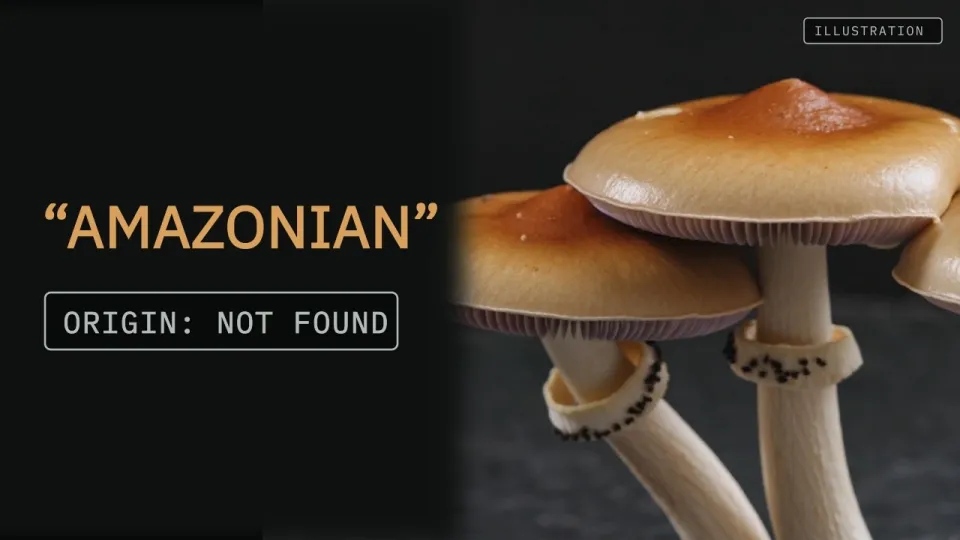
Video: Amazonian Mushroom: Following the Paper Trail Behind the Name
2 Taxonomy and Scientific Classification Challenges
The taxonomy of Amazonian mushrooms has evolved over decades. Initially, many specimens were broadly categorized under Psilocybe cubensis. However, molecular studies and morphological differences revealed multiple species and varieties. Some mushrooms labeled as "Amazonian" in the commercial and research context might represent distinct species or hybrids. Understanding these classifications helps clarify the usage of the term and guides scientific and ethnobotanical studies 05:40.
3 Ethnomycological Importance in the Amazon Region
Indigenous tribes of the Amazon have long used these mushrooms in shamanic and spiritual rituals. The Amazonian mushroom plays a crucial role in local cultures, serving as a tool for healing, divination, and connection with nature. This cultural context is vital for appreciating the significance of the mushroom beyond its taxonomy. Documentation of traditional uses provides insights into sustainable harvesting and conservation 08:05.
4 Chemical Composition and Psychedelic Properties
Amazonian mushrooms contain psilocybin and psilocin, the primary psychedelic compounds responsible for their mind-altering effects. These substances interact with serotonin receptors in the brain, producing altered states of consciousness. Scientific interest in these compounds has increased due to their potential therapeutic applications in mental health. Studies often reference Amazonian varieties to explore dosage, potency, and effects 11:20.
5 Research Developments and Conservation Efforts
Ongoing research tracks the biodiversity of Amazonian mushrooms and their ecological role in the rainforest. Conservation is critical as deforestation threatens these fungi's natural habitats. Scientific papers follow the "paper trail" of Amazonian mushroom discoveries to map distribution and genetic diversity. Collaborative efforts between mycologists and indigenous communities aim to protect both the species and traditional knowledge associated with them 14:00.
Conclusion
The Amazonian mushroom is a fascinating subject at the intersection of taxonomy, culture, and science. Its name reflects a rich history of discovery and traditional use in the Amazon basin. Understanding the classification challenges and ecological significance enhances appreciation for these mushrooms. Research continues to reveal their chemical properties and potential benefits while emphasizing conservation. This analysis was inspired by the detailed exploration from the Shroomverse channel, which traces the scientific and cultural paper trail behind the Amazonian mushroom name.
Key takeaways
- Amazonian mushroom is often linked to species Psilocybe cubensis and related fungi.
- The name 'Amazonian' traces back to early scientific papers and mushroom collections in the Amazon rainforest.
- Taxonomic history of the Amazonian mushroom involves several reclassifications and synonyms.
- Its cultural use among indigenous Amazonian tribes is well documented.
- Research on Amazonian mushrooms contributes to understanding psychedelic compounds and biodiversity.
Source: Amazonian Mushroom: Following the Paper Trail Behind the Name · Markdown version
Questions & answers
What species does the term Amazonian mushroom usually refer to?
The Amazonian mushroom commonly refers to species within the Psilocybe cubensis group, particularly those found in the Amazon rainforest region.
Why is the taxonomy of Amazonian mushrooms complex?
Because of morphological similarities and genetic diversity, many mushrooms labeled as Amazonian represent different species or hybrids, leading to ongoing reclassification.
How are Amazonian mushrooms used by indigenous peoples?
Indigenous tribes use Amazonian mushrooms in spiritual and healing rituals, utilizing their psychoactive effects to connect with nature and perform divination.
What is the significance of conservation efforts for Amazonian mushrooms?
Conservation is vital due to habitat loss from deforestation, aiming to protect both the fungi species and the traditional knowledge linked to them.